
Digital microscope technology has become an essential inspection tool across multiple industries in Malaysia.
From semiconductor manufacturing to electronics production and material research, companies require high-resolution imaging systems to detect microscopic defects, measure surface structures, and document inspection results accurately.
Traditional optical microscopes are limited because they depend on direct visual observation. Modern digital microscopes solve this limitation by providing real-time digital display, image storage, video recording, and measurement software integration.
In Malaysia, industrial companies rely on professional technology providers such as Hansvue to supply advanced digital microscope systems designed for precision inspection.
Many analytical equipment distributors and laboratory solution providers — including companies like Obsnap, JS Analytical, and Victor Material — integrate imaging technology into their testing workflow to support quality assurance and research applications.
What is a Digital Microscope?
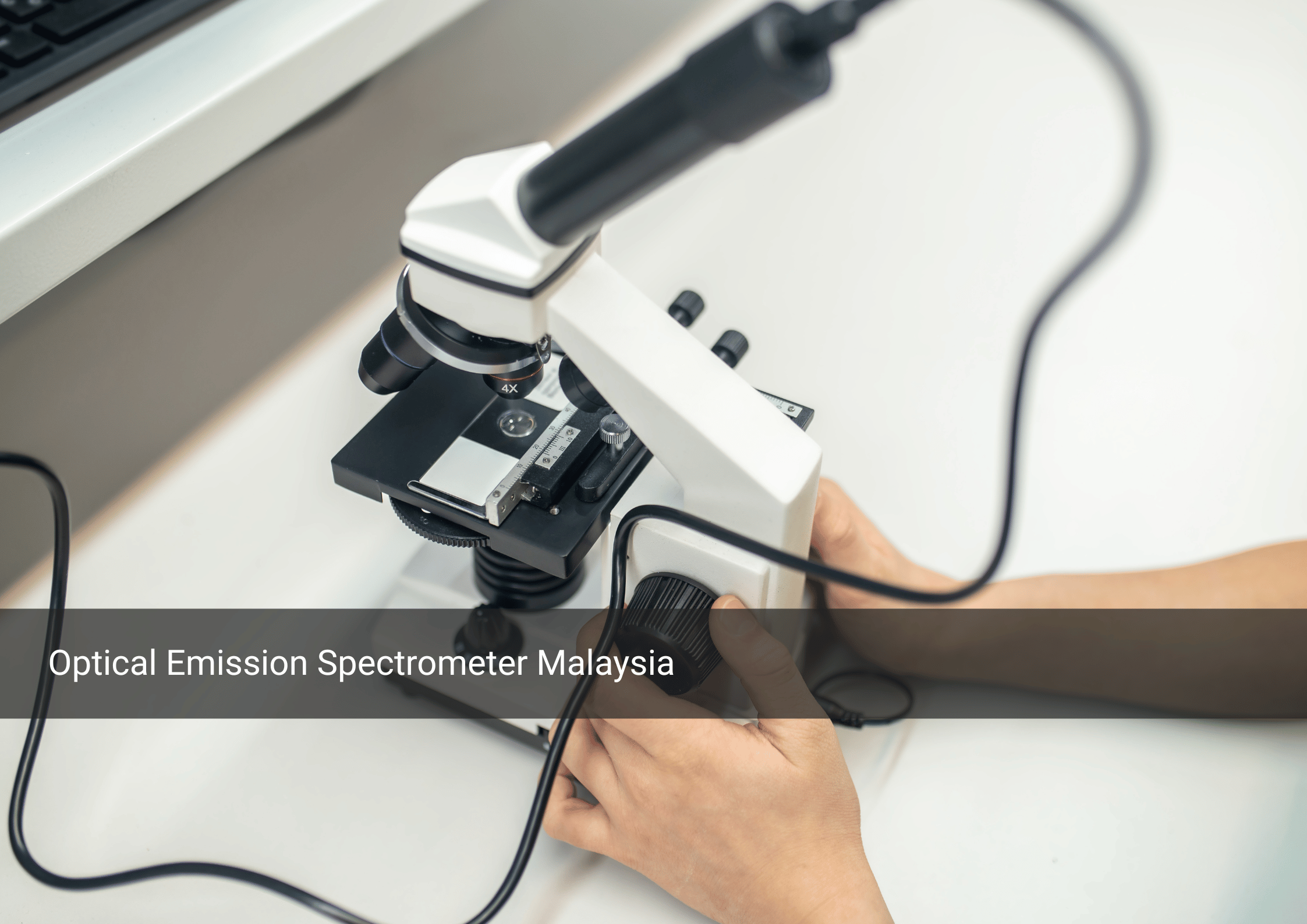
A digital microscope is an advanced optical inspection system that captures high-resolution images and displays them on a monitor or computer instead of viewing through eyepieces.
It typically consists of:
High-resolution digital camera sensor
Optical zoom lens system
Adjustable LED lighting
Mechanical focus system
Image processing software
Computer or monitor connection
The system allows engineers and researchers to observe microscopic objects clearly while simultaneously recording digital data for documentation.
Key Advantages
Digital microscopes provide:
- Real-time digital visualization
- Image and video capture
- Measurement tools
- Annotation capability
- Digital report generation
- Multi-user viewing
These features make digital microscopes highly suitable for industrial inspection environments where accuracy and documentation are critical.
Applications of Digital Microscope in Malaysia
1. Semiconductor Inspection
Malaysia plays a major role in semiconductor assembly and testing.
Semiconductor manufacturers use digital microscopes to inspect:
Microchip surface defects
Wire bonding quality
Die attachment accuracy
Wafer contamination
Circuit damage
Because semiconductor components are extremely small and sensitive, high magnification and clear imaging are required to detect micro-level defects.
Advanced digital imaging systems help engineers identify errors early before mass production increases cost and waste.
2. PCB & Electronics Quality Control
Electronic manufacturing companies depend on digital microscopes for quality control of:
Solder joints
Surface mount components
PCB trace alignment
Short circuit detection
Component damage
Engineers can zoom into tiny solder connections and inspect structural integrity with high clarity.
Instead of manual visual inspection, digital systems allow:
Image capture for record keeping
Measurement of solder thickness
Documentation for audit purposes
This improves production efficiency and reduces product failure risk.
3. Material Science & Laboratory Research
Research laboratories and testing centers in Malaysia use digital microscopes for material analysis.
Common applications include:
Metal grain structure analysis
Polymer surface inspection
Composite material examination
Fracture analysis
Coating thickness evaluation
Material engineers need detailed imaging to study microscopic structural behavior.
Equipment suppliers such as Obsnap and JS Analytical provide analytical testing equipment that complements digital imaging systems for deeper laboratory research.
4. Industrial Manufacturing Inspection
Manufacturing industries use digital microscopes to detect:
Mold surface defects
Mechanical wear and tear
Precision machining errors
Surface scratches
Product coating imperfections
By using high-magnification imaging, quality control teams can identify defects that are invisible to the naked eye.
This improves product reliability and reduces customer complaints.
Why Digital Microscopes Are Important for Malaysian Industries
The adoption of digital microscope systems is increasing because industries demand:
1. Industry 4.0 Integration
Modern factories are shifting toward digital data management and automated inspection systems.
Digital microscopes allow:
Data storage
Cloud integration
Digital reporting
Image database management
2. Higher Quality Control Standards
Export-oriented industries must comply with international manufacturing standards.
Accurate microscopic inspection ensures:
Better traceability
Improved defect detection
Compliance with global requirements
3. Faster Inspection Process
Digital systems reduce inspection time because engineers can:
Capture images instantly
Measure defects digitally
Generate reports automatically
This increases operational efficiency in production environments.
Key Specifications to Consider Before Purchasing
When selecting a digital microscope in Malaysia, evaluate:
Resolution
Higher megapixel cameras provide clearer microscopic details.
Magnification Range
Must match your application — semiconductor inspection may require higher magnification than general manufacturing inspection.
Lighting System
Adjustable LED lighting improves visibility of surface defects and reflective materials.
Software Capability
Important features include:
Linear measurement
Angle measurement
Image annotation
Report generation
File export formats
Technical Support
Choose suppliers that provide:
Installation support
Calibration service
Technical training
Warranty coverage
Market Demand for Digital Microscopes in Malaysia
The demand continues to grow due to:
Rapid industrial automation
Semiconductor expansion
Increasing research investment
Stricter quality control requirements
Companies are replacing manual inspection methods with digital documentation systems for better traceability and efficiency.
Digital microscopes are now considered essential equipment rather than optional tools in advanced manufacturing environments.
Conclusion
Digital microscope systems play a crucial role in industrial inspection, semiconductor analysis, material research, and quality control in Malaysia.
With advanced imaging technology provided by professional suppliers such as Hansvue, industries can improve inspection accuracy, productivity, and documentation.
Supported by analytical equipment distributors like Obsnap, JS Analytical, and Victor Material, digital microscopy solutions continue to strengthen Malaysia’s industrial and research ecosystem.