Vibration and environmental chambers are widely used in laboratories and manufacturing industries to evaluate product durability under mechanical and environmental stress conditions. These chambers simulate vibration together with environmental factors such as temperature and humidity. When selecting a vibration and environmental chamber, laboratories must consider several technical factors to ensure the equipment meets their testing requirements.
Understanding Testing Requirements
Before selecting vibration and environmental testing equipment, laboratories should determine the type of testing required. Products may require vibration testing combined with temperature fluctuations or humidity exposure.
Understanding testing requirements helps laboratories choose equipment that can simulate the appropriate environmental conditions.
Vibration System Capabilities
The vibration system is a key component of the chamber. Laboratories should evaluate the vibration frequency range, vibration amplitude, and testing capacity required for their applications.
Selecting a vibration system that matches product testing requirements ensures accurate mechanical stress simulation.
Environmental Simulation Features
Environmental simulation capabilities allow chambers to control temperature and humidity conditions during vibration testing. This allows laboratories to perform combined environmental testing within controlled environments.
Environmental testing technologies used for this purpose are supported by suppliers which provide environmental chambers used for product reliability testing.
Integration with Laboratory Testing Equipment
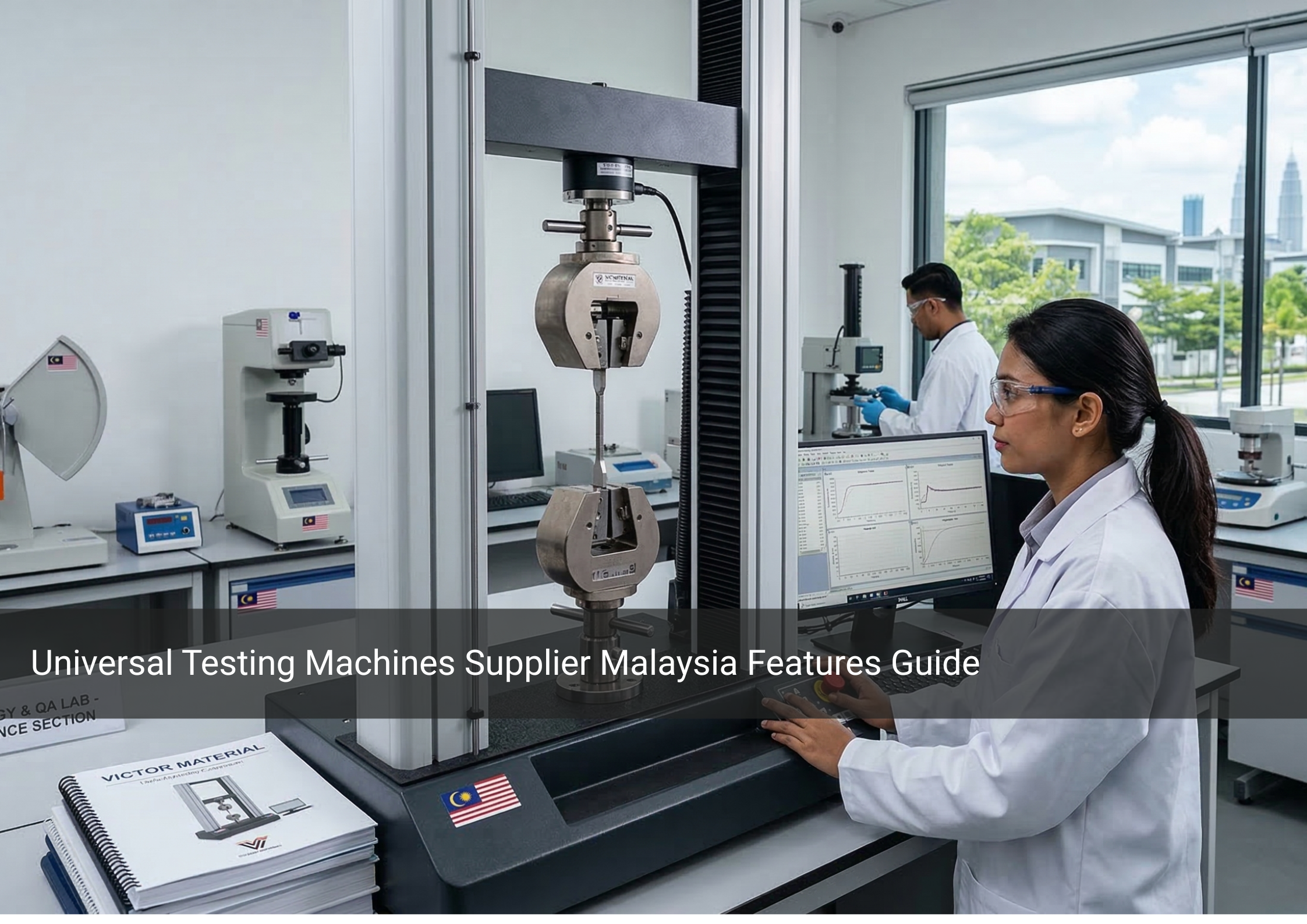
After vibration testing is completed, laboratories often perform additional analysis to evaluate material durability and structural integrity. Laboratories may perform mechanical testing, coating analysis, or structural evaluation.
Testing laboratories may rely on suppliers such as Obsnap Group, which provide laboratory instruments used for material testing and product evaluation.
Maintenance and Technical Support
Maintenance and technical support are important considerations when selecting environmental testing equipment. Regular maintenance ensures vibration systems and environmental controls maintain accurate testing conditions.
Reliable equipment suppliers often provide installation support, calibration services, and maintenance programs to ensure testing equipment operates effectively.
Conclusion
Selecting the right vibration and environmental chamber is essential for performing accurate combined stress testing. By considering vibration capabilities, environmental simulation features, and laboratory integration, laboratories can choose equipment that supports reliable product durability testing.
With proper environmental testing equipment, laboratories and manufacturers in Malaysia can improve product reliability and ensure products perform well under demanding environmental conditions.