
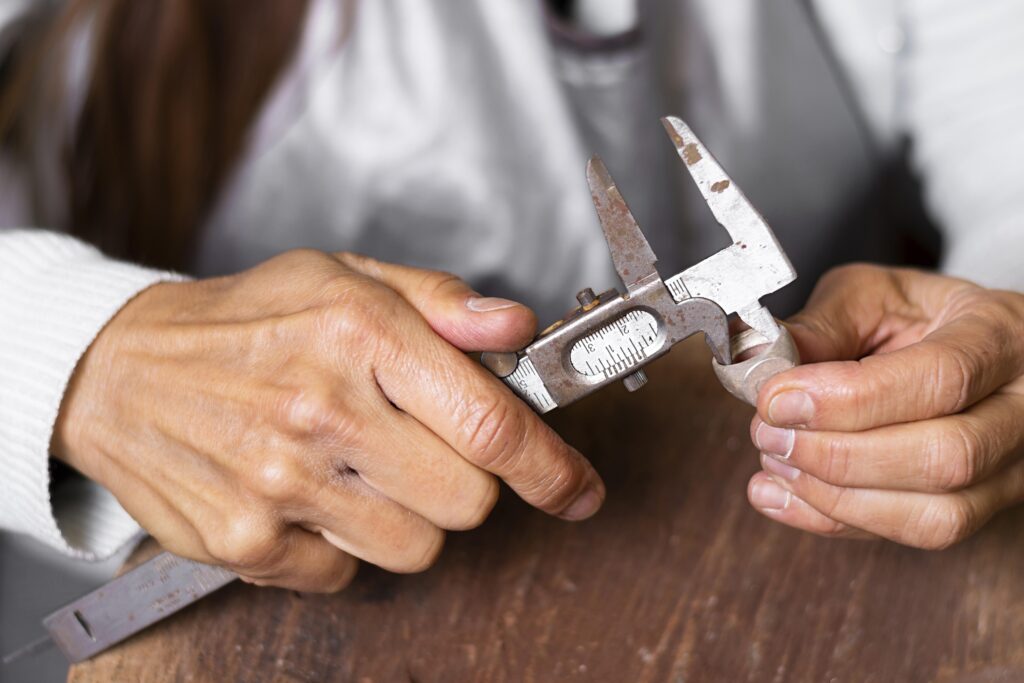
In the field of material testing, an extensometer Malaysia is an indispensable tool for measuring the elongation or deformation of materials under stress. Whether you are operating in the automotive, construction, or rubber sectors, integrating a high-quality extensometer Malaysia into your testing workflow ensures that your data is both accurate and repeatable. This guide explores the vital role of the extensometer Malaysia and how to choose the right model for your specific industrial needs.
What is an Extensometer Malaysia?
An extensometer Malaysia is a precision instrument designed to measure the minute changes in a material’s length when subjected to tensile or compressive forces. While a Universal Testing Machine (UTM) measures the overall displacement of the crosshead, an extensometer Malaysia focuses specifically on the “gauge length” of the specimen itself. This allows a extensometer Malaysia to provide much more accurate strain data by eliminating errors caused by machine deflection or grip slippage.
In many Malaysian laboratories, the use of an extensometer Malaysia is mandatory for determining critical properties such as Young’s Modulus and yield strength. Without a properly calibrated extensometer Malaysia, your test results may lack the precision required for high-stakes engineering applications.
Core Types of Extensometer Malaysia
When sourcing an extensometer Malaysia, you will generally choose between two primary technologies:
Contact Extensometers
The most common extensometer Malaysia found in local labs is the “clip-on” variety. This extensometer Malaysia physically attaches to the specimen using springs or clips. It is highly valued for its cost-effectiveness and high accuracy during the initial elastic phase of a test. Another popular contact extensometer Malaysia is the long-travel model, which is essential for testing high-elongation materials like rubber and elastomers.
Non-Contact Extensometers
For materials that are delicate, ultra-thin, or tested in extreme temperatures, a non-contact extensometer Malaysia is the ideal solution. A video extensometer Malaysia uses high-resolution cameras to track markers on the sample, while a laser extensometer Malaysia utilizes light interference patterns. This type of extensometer Malaysia is increasingly popular in Malaysia’s electronics and aerospace sectors because it never physically touches—and therefore cannot damage—the test specimen.
Key Industries for Extensometer Malaysia
The demand for a reliable extensometer Malaysia spans across the country’s most vital economic sectors. In the construction industry, a heavy-duty extensometer Malaysia is used to test the ductility of steel rebar, ensuring it meets SIRIM and CIDB safety codes.
In the rubber and polymer industry, a specialized extensometer Malaysia with high-travel capabilities is used to measure the extreme stretch of latex gloves and automotive seals. Furthermore, the electronics manufacturing hubs in Penang and Selangor rely on a micro-scale extensometer Malaysia to test the integrity of solder joints and flexible circuits. Investing in a local extensometer Malaysia ensures that these industries can maintain high production standards and global competitiveness.
Compliance Standards for Extensometer Malaysia
To be effective, an extensometer Malaysia must comply with international verification standards. Most extensometer Malaysia suppliers provide equipment that meets:
ASTM E83: The standard practice for verification and classification of extensometer systems.
ISO 9513: The international standard for the calibration of an extensometer Malaysia used in uniaxial testing.
By using a certified extensometer Malaysia, laboratories can guarantee that their data is traceable and audit-ready. Modern extensometer Malaysia software also automates the classification process, making it easier for technicians to confirm that their extensometer Malaysia meets Class B-1 or Class 0.5 accuracy requirements.
Conclusion
Choosing the right extensometer Malaysia is essential for any laboratory dedicated to precision and quality. From the durability of contact models to the versatility of non-contact systems, the right extensometer Malaysia will provide the high-fidelity data needed to ensure product safety and performance. As manufacturing in the region continues to evolve, the extensometer Malaysia remains a cornerstone of material science and industrial excellence.